
1388xx888xx



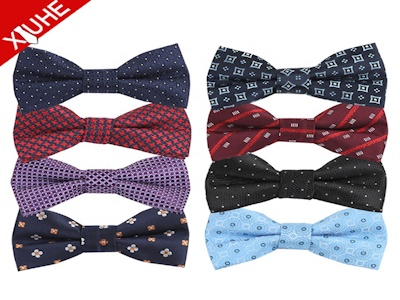
В мире моды галстук часто воспринимается как нечто само собой разумеющееся — просто кусок ткани, обернутый вокруг шеи, чтобы завершить деловой костюм. Но для тех, кто понимает глубину стиля, галстук — это гораздо больше. Это символ, который несет в себе вековую историю, культурные коды и мощное психологическое воздействие. В этой статье мы исследуем, почему галстук выходит за рамки простого аксессуара и становится воплощением стиля, отражающим индивидуальность, статус и эстетическую чувствительность.
История галстука уходит корнями в глубокую древность. Первые прообразы галстуков можно найти еще в Древнем Египте и Риме, где шарфы и платки использовались для защиты от холода или как знак отличия. Однако современный галстук в его узнаваемой форме начал формироваться в XVII веке во Франции, во времена правления Людовика XIV. Именно тогда хорватские наемники, служившие при французском дворе, носили шейные платки, которые привлекли внимание короля. Он назвал их "cravates" (от французского "cravate", производного от "хорват"), и этот аксессуар быстро стал модным среди аристократии.
С тех пор галстук прошел долгий путь эволюции. В XIX веке он стал неотъемлемой частью мужского гардероба, особенно в викторианскую эпоху, когда строгий дресс-код требовал формальности и элегантности. Появление галстука-бабочки и галстука-регата further diversified its forms. К XX веку галстук solidified its position as a symbol of professionalism and sophistication, often associated with corporate culture and upper-class society.
Это историческое наследие превращает галстук из mere accessory into a cultural artifact. Он несет в себе echoes of past eras — from the flamboyance of the Rococo period to the austerity of the Industrial Revolution. Каждый узел, каждый pattern tells a story, making it a living testament to human creativity and social evolution.
Психологически галстук обладает immense power to shape perceptions. Исследования в области социальной психологии показывают, что люди в галстуках often perceived as more competent, authoritative, and trustworthy. Это не случайно; галстук acts as a visual cue that signals attention to detail, discipline, and respect for norms. In professional settings, it can enhance credibility during presentations, negotiations, or job interviews.
Moreover, the choice of gалстук — its color, pattern, and material — can communicate subtle messages. For example, a bold red gалстук might convey confidence and energy, while a subdued blue one suggests calmness and reliability. This psychological dimension elevates the gалстук from a functional item to a tool for non-verbal communication, allowing individuals to express their personality and intentions without saying a word.
In personal contexts, wearing a gалстук can boost self-esteem. It creates a sense of completion and polish, contributing to a positive self-image. This is why many men describe feeling "more put together" when they wear one, highlighting its role in personal empowerment and style expression.
In contemporary fashion, the gалстук has transcended its traditional association with formal wear. Designers and style icons have reimagined it as a versatile accessory that can be worn in various contexts — from casual outfits to artistic statements. For instance, pairing a gалстук with a jeans and t-shirt can add a touch of sophistication to an otherwise relaxed look, blending casual and formal elements in a way that challenges conventions.
This flexibility underscores its symbolic nature. It represents adaptability and creativity, reflecting how modern style is about breaking rules rather than following them. In subcultures like punk or hip-hop, gалстуки have been appropriated to convey rebellion or individuality, further证明ing that it is not just an accessory but a canvas for self-expression.
Furthermore, in the era of gender fluidity, gалстуки are increasingly worn by people of all genders, symbolizing inclusivity and the blurring of traditional boundaries. This evolution highlights its role as a symbol of progress and change in society.
The aesthetic appeal of gалстуков cannot be overstated. From intricate silk prints to hand-painted designs, they are often miniature masterpieces. Luxury brands like Hermès or Gucci treat gалстуки as art objects, investing in high-quality materials and innovative patterns. This artistic dimension transforms them from mere neckwear into collectibles that reflect taste and refinement.
In art and photography, gалстуки have been used as symbols to explore themes of identity, power, and beauty. For example, in Surrealist art, they might represent束缚 or freedom, depending on the context. This cultural resonance adds layers of meaning, making the gалстук a subject of intellectual and artistic discourse.
Moreover, the act of tying a gалстук is itself an art form. Different knots — such as the Windsor, Half-Windsor, or Four-in-Hand — offer variations in style and formality, allowing for personal customization. This ritualistic aspect connects the wearer to a tradition of craftsmanship and attention to detail.
Economically, the gалстук industry is a multi-billion dollar sector, supporting artisans, designers, and retailers worldwide. It symbolizes economic activity and luxury, with high-end gалстуки often serving as status symbols. Owning a designer gалстук can signal wealth and discernment, much like a fine watch or jewelry.
Socially, gалстуки play a role in rituals and ceremonies. They are worn at weddings, funerals, and other significant events, marking moments of importance. In many cultures, specific gалстуks are associated with institutions like schools, clubs, or military units, fostering a sense of belonging and identity.
This social function reinforces its symbolic weight. It is not just about looking good; it is about participating in communal traditions and expressing allegiance to groups or values.
In conclusion, the gалстук is far more than a simple accessory. Its rich history, psychological impact, versatility in modern fashion, aesthetic value, and socio-economic significance collectively elevate it to the status of a symbol of style. It embodies elegance, individuality, and cultural continuity, making it a timeless element in the wardrobe of those who appreciate depth in their appearance.
As fashion continues to evolve, the gалстук will likely adapt, but its core essence — as a marker of style and substance — will remain. So next time you tie one, remember that you are not just accessorizing; you are engaging with a legacy that speaks volumes about who you are and what you represent.
|
|
||||||
|
 |