
1388xx888xx



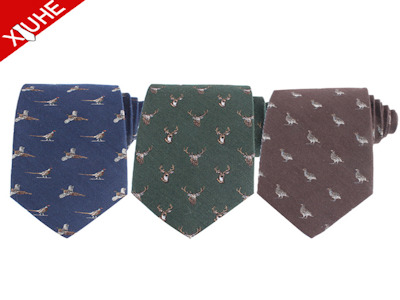
В мире моды и индивидуального выражения галстук давно перестал быть лишь функциональным элементом одежды. Сегодня он воплощает собой глубокий символ стиля, статуса и личной философии. Это не просто кусок ткани, завязанный вокруг шеи; это заявление о себе, отражение внутреннего мира и часть образа жизни, который выбирает человек. В этой статье мы погрузимся в многогранный мир современного галстука, исследуя его исторические корни, психологическое воздействие, культурное значение и практические аспекты, чтобы показать, почему он стал неотъемлемой частью современной жизни.
Галстук имеет богатую историю, уходящую корнями в XVII век. Изначально он появился как практичный аксессуар у хорватских наемников, которые использовали шарфы для защиты шеи во время битв. Французский король Людовик XIV, впечатленный этим элементом, сделал его модным трендом при дворе, и с тех пор галстук начал эволюционировать. В XIX веке он стал символом джентльменства и бизнес-этикета, особенно в викторианскую эпоху, когда строгие костюмы и галстуки определяли социальный статус. К XX веку галстук прочно вошел в гардероб мужчин по всему миру, адаптируясь к изменениям в моде — от узких галстуков 1920-х годов до ярких и эксцентричных designs 1960-х. Сегодня, в XXI веке, галстук продолжает трансформироваться, отражая современные тенденции, такие как минимализм, устойчивость и индивидуализм. Эта историческая эволюция показывает, как галстук из чисто утилитарного предмета превратился в инструмент самовыражения, демонстрируя, что он всегда был больше, чем просто аксессуар — он был частью культурного нарратива, который формировал идентичность поколений.
Ношение галстука имеет profound psychological impact как на самого человека, так и на окружающих. Исследования в области психологии моды показывают, что галстук ассоциируется с authority, professionalism, и confidence. Когда человек надевает галстук, он often experiences a boost in self-esteem and a sense of preparedness, что особенно важно в деловой среде. Это явление известно как "enclothed cognition" — идея о том, что одежда влияет на когнитивные процессы и поведение. Галстук, как символ формальности, может помочь сосредоточиться, принимать более взвешенные решения и projecting an image of competence. Для окружающих галстук служит visual cue, сигнализируя о seriousness, trustworthiness, и attention to detail. В социальных interactions, это может открывать doors, facilitate networking, и даже influence negotiations. Однако, в современном контексте, галстук также стал medium for personal expression. Выбор цвета, pattern, или материала может reveal personality traits — например, яркие галстуки might indicate creativity, while classic designs suggest tradition and stability. Таким образом, галстук действует как psychological bridge between inner self and outer world, делая его мощным инструментом в построении образа жизни, основанного на authenticity и intentionality.
Галстук transcends cultural boundaries, но при этом retains unique significances в разных обществах. В западных культурах, он often symbolizes corporate culture, education, и formal events, such as weddings or business meetings. В азиатских странах, like Japan or South Korea, галстук является частью школьной формы и corporate identity, emphasizing discipline and respect. В некоторых культурах, галстуки могут иметь political or symbolic meanings — например, определенные colors или patterns might represent affiliations or movements. Социально, галстук has evolved to challenge gender norms; сегодня женщины increasingly adopt ties as part of their professional and fashion wardrobe, breaking stereotypes и promoting equality. This cultural adaptability highlights how the галстук is not static but a dynamic element that reflects societal changes. В эпоху globalization, галстук serves as a universal language of style, connecting people across continents through shared aesthetics. Однако, он также faces criticism за ассоциации с rigidity или conformity, что привело к movements like "casual Fridays" или полному отказу от галстуков в некоторых компаниях. Несмотря на это, его enduring presence в поп-культуре, кино, и искусстве underscores its role as a cultural icon. From James Bond's sophisticated looks to rebellious punk styles, the галстук continues to inspire and define eras, proving that it is deeply woven into the fabric of modern life.
В contemporary fashion, галстук undergoes constant innovation to stay relevant. Key trends include sustainability, with brands producing eco-friendly ties from organic materials like bamboo или recycled fabrics, appealing to environmentally conscious consumers. Personalization is another major trend; custom-made галстуки with unique prints, monograms, or even tech integrations (e.g., ties with LED lights for events) allow individuals to express their uniqueness. The rise of digital influence means that social media platforms like Instagram or Pinterest are flooded with styling ideas, making the галстук more accessible and versatile. Modern designs often blend classic elements with avant-garde touches — think skinny ties for a sleek look or bold patterns for statement-making. Additionally, the галстук is no longer confined to formal wear; it's paired with casual outfits, such as jeans and t-shirts, creating a hybrid style that embodies a relaxed yet refined lifestyle. This adaptability ensures that the галстук remains a staple in wardrobes, catering to diverse tastes from minimalists to maximalists. Brands are also focusing on inclusivity, offering sizes and styles for all genders and body types, further cementing its role as a tool for self-expression. Ultimately, these trends demonstrate that the современный галстук is not just keeping pace with change but driving it, encouraging people to embrace it as part of their daily lives.
Чтобы fully embrace the галстук как стиль жизни, важно знать, как effectively incorporate it into your wardrobe. Start by understanding the basics: learn different knot styles, such as the Four-in-Hand, Windsor, or Pratt knot, each suited for various occasions and collar types. Choose галстуки that complement your body shape and skin tone; for instance, taller individuals might opt for longer ties, while brighter colors can enhance warmer complexions. Invest in quality materials like silk, wool, or cotton for durability and comfort. For everyday wear, consider versatile patterns like stripes or dots that can be mixed and matched with multiple outfits. In professional settings, stick to conservative colors like navy or burgundy to project credibility, but don't shy away from adding a pop of color for creativity. For casual looks, experiment with textured ties or novelty prints to show personality. Maintenance is key: store галстуки properly by hanging them to avoid wrinkles, and clean them according to fabric instructions. Most importantly, wear your галстук with confidence — it's not just an accessory but an extension of yourself. By mastering these practical aspects, you can make the галстук a seamless part of your lifestyle, enhancing both your appearance and self-expression.
В заключение, современный галстук действительно является much more than a mere accessory; it is a profound embodiment of lifestyle. Through its historical journey, psychological impact, cultural significance, and modern adaptations, it has proven to be a versatile and enduring symbol. It encourages intentionality in dress, fosters confidence, and connects us to broader societal narratives. Whether in the boardroom, at a social gathering, or in everyday life, the галстук offers a way to articulate who we are and aspire to be. As fashion continues to evolve, the галстук will undoubtedly remain a key player, inspiring new generations to see it not as an obligation but as an opportunity for creativity and self-discovery. Embrace it, experiment with it, and let it become a integral part of your unique style journey — because in the end, a галстук is not just about looking good; it's about living authentically and expressively.
|
|
||||||
|
 |