
1388xx888xx



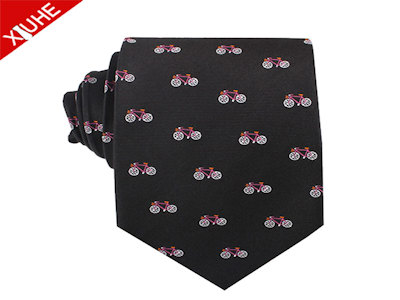
В мире моды, где тенденции приходят и уходят с головокружительной скоростью, есть нечто вечное и неподвластное времени — классические галстуки 1970-х годов. Эти аксессуары, рожденные в эпоху смелых экспериментов и культурного расцвета, не просто украшали костюмы, они становились символами индивидуальности, элегантности и rebellion. Сегодня, в век быстрой моды и цифрового перенасыщения, настало время вернуть моду на эти шедевры текстильного искусства. Почему? Потому что они олицетворяют не только стиль, но и устойчивость, качество и глубокую связь с историей. В этой статье мы погрузимся в мир галстуков 70-х, исследуя их происхождение, эстетику, культурное влияние и практические советы по интеграции в современный гардероб. Приготовьтесь к путешествию во времени, которое вдохновит вас на обновление вашего стиля с помощью этих вневременных сокровищ.
1970-е годы были десятилетием контрастов: от психоделического оптимизма хиппи до мрачного реализма холодной войны. В моде это отразилось в смешении стилей — от широких lapels и ярких цветов до более сдержанных, но выразительных аксессуаров. Галстуки того времени не были просто функциональными деталями; они стали canvas для самовыражения. Производители, такие как Brooks Brothers и Ralph Lauren в США, или европейские бренды like Hermès, экспериментировали с тканями, узорами и формами. Широкие галстуки, often up to 5 inches, доминировали, украшенные geometric patterns, floral motifs, и даже абстрактными designs that reflected the era's artistic movements like pop art and op art. Это было время, когда галстук мог рассказать историю о своем владельце — его профессии, увлечениях или политических взглядах. Например, галстуки с animal prints символизировали wild spirit, while subtle stripes denoted corporate professionalism. Исторически, этот период также marked the rise of designer labels, making ties not just accessories but status symbols. Understanding this context is crucial to appreciating why a return to 70s ties isn't just nostalgic—it's a statement against the homogenization of modern fashion.
Эстетика галстуков 1970-х годов характеризуется смелостью и разнообразием. В отличие от более узких, минималистичных стилей последующих десятилетий, эти галстуки были широкими, often with a blade width of 4-5 inches, что придавало им внушительный presence. Материалы ranged from luxurious silks and wools to synthetic blends that were innovative for their time, offering durability and unique textures. Узоры были perhaps the most distinctive feature: think large paisleys, bold stripes, abstract geometries, and even novelty designs like cartoon characters or cultural icons—a nod to the playful side of the era. Цветовая палитра была rich and vibrant, with earth tones like ochre and avocado green coexisting with psychedelic brights like orange and purple. This visual diversity allowed for endless combinations with suits, shirts, and even casual wear, making ties versatile centerpieces of an outfit. Moreover, the craftsmanship was exceptional; many ties were handmade or produced with attention to detail that is rare today. For instance, the interlining often used horsehair for structure, ensuring the tie held its shape over time. This focus on quality not only enhanced aesthetics but also longevity, a stark contrast to the disposable nature of fast fashion. By embracing these design elements, we celebrate artistry and individuality in an age where mass production often leads to bland uniformity.
Галстуки 1970-х годов были больше, чем модные аксессуары; они были зеркалом социальных и культурных сдвигов. In an era marked by civil rights movements, feminist waves, and anti-war protests, fashion became a medium for dissent and identity. For men, the tie evolved from a strict corporate uniform to a tool of self-expression. Icons like David Bowie and Mick Jagger popularized flamboyant ties that challenged traditional masculinity, while figures in politics and business used them to convey authority with a touch of personality—think of the wide, patterned ties worn by leaders during the decade. In cinema and television, ties from this period became iconic: from the sleek styles in "The Godfather" to the quirky ones in "Saturday Night Fever," they helped define characters and eras. This cultural embedding made ties symbols of both rebellion and refinement. Furthermore, the global influence was palpable; American and European designs inspired trends in Asia and beyond, fostering a cross-cultural exchange. Today, revisiting these ties allows us to reconnect with a time of creativity and change, reminding us that fashion can be a powerful narrative force. It's not just about looking good—it's about wearing a piece of history that speaks to resilience and innovation.
В современную эпоху, характеризуемую осознанным потреблением и поиском authenticity, галстуки 70-х годов предлагают свежее решение. Быстрая мода привела к перепроизводству и environmental degradation, но vintage и ретро-стили, like those from the 70s, promote sustainability by encouraging reuse and reducing waste. These ties are often found in thrift stores or online markets, making them accessible and eco-friendly choices. Additionally, in a world of digital communication, where personal interactions are increasingly virtual, well-chosen accessories like a classic tie can enhance presence and confidence in real-life settings, from business meetings to social events. The current trend towards individuality and nostalgia in fashion—seen in the revival of other 70s elements like flared pants and platform shoes—makes ties a natural fit. They add a touch of sophistication and character to modern minimalist outfits, bridging the gap between casual and formal. Moreover, with the rise of remote work, dressing up with intention can boost productivity and self-esteem. By integrating 70s ties into contemporary wardrobes, we not only honor the past but also advocate for a more thoughtful, stylish future. It's a small change with a big impact, proving that true style is timeless.
Интеграция галстуков 1970-х годов в современный гардероб требует некоторого чутья, но это проще, чем кажется. Начните с выбора: ищите галстуки из качественных материалов, таких как шелк или шерсть, с яркими, но не overly loud узорами—например, приглушенные paisleys или геометрические designs, которые легко сочетаются. Избегайте повреждений, таких как пятна или frayed edges, but don't shy away from slight vintage charm. Что касается ношения, сочетайте широкие галстуки с более узкими лацканами пиджаков для баланса; например, наденьте его с классическим костюмом или даже с джинсами и blazer для smart-casual образа. Узлы: используйте полноценные узлы, like the Windsor or Half-Windsor, чтобы подчеркнуть ширину. Цветовая координация key; let the tie be the statement piece by pairing it with neutral shirts and suits. For inspiration, look to modern influencers or fashion archives that blend retro with contemporary elements. Уход: храните галстуки rolled or hanging to prevent wrinkles, and clean them professionally if needed. Remember, confidence is the best accessory—wear these ties with pride, and they'll instantly elevate your style, making you stand out in a sea of sameness.
Возвращение моды на классические галстуки 1970-х годов — это не просто каприз; это движение towards authenticity, quality, and sustainability. Эти аксессуары embody a rich history of creativity and expression, offering a antidote to the monotony of modern fashion. By adopting them, we not only enhance our personal style but also contribute to a broader cultural shift towards mindful consumption. Imagine a world where every tie tells a story, where fashion is slow and intentional, and where individuality thrives over conformity. This vision is within reach—start by exploring vintage shops, investing in a few key pieces, and experimenting with how they fit into your life. Share your journey with others; inspire friends and colleagues to join this revival. Together, we can make the 70s tie a staple of the 21st century wardrobe, proving that some styles are truly eternal. Let's embrace the past to shape a more stylish and sustainable future.
|
|
||||||
|
 |